From Awareness to Action: Applying The Bridge Analogy to Stress Management
Stress and anxiety are among the most common challenges people experience in daily life. When pressure builds over time, it can lead to overwhelm, emotional exhaustion, and difficulty coping.
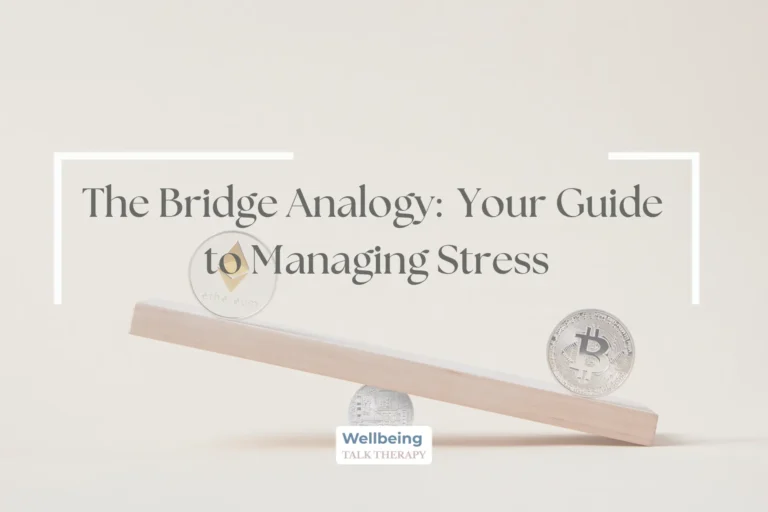
In my previous post, The Bridge Analogy: Your Guide to Managing Stress, I explored the Bridge Analogy, developed by the Stress Management Society, as a way of understanding how stress builds gradually and can eventually lead to overload if it isn’t addressed.
This follow-up post moves from understanding into action, focusing on practical strategies to strengthen resilience and reduce stress in everyday life.
While there is no single solution that works for everyone, the five techniques below can support emotional wellbeing, reduce overwhelm, and help you feel more able to manage daily pressures.
1. How to Use Mindfulness for Stress and Anxiety
Mindfulness is about paying attention to the present moment with awareness, without judgment. It is a well-established stress management technique that can help reduce anxiety, improve emotional regulation, and support overall wellbeing.
Research suggests that regular mindfulness practice may help lower cortisol levels, reduce anxiety, and improve emotional regulation (Walsh & Shapiro, 2006).
The Amercian Psychological Association defines mindfulness as:
“Mindfulness… a moment-to-moment awareness of one’s experience without judgment”
Practical Mindfulness Techniques for Stress Relief
Mindfulness doesn’t have to be complicated. It can be as simple as focusing on your breath, taking a mindful walk, or noticing small details in what you are doing in the moment. Here are some quick techniques to get you started:
- 5-4-3-2-1 Grounding Technique: A simple grounding exercise for moments of stress, anxiety, and overwhelm: Identify 5 things you can see, 4 things you can hear, 3 things you can touch, 2 things you can smell, and 1 thing you can taste to bring your attention back to the present moment.
- Balloon Breathing Exercise: Place your hands on your stomach and imagine a balloon expanding as you breathe in. Then slowly exhale, imagining the balloon deflating.
- Box Breathing for Anxiety Relief: Inhale for 4 seconds, hold for 4 seconds, exhale for 4 seconds and hold your breath for 4 seconds. Repeat this cycle. This can help calm the nervous system quickly as you focus on the 4-4-4-4 pattern (inhale, hold, exhale, hold)
Disclaimer: If you have any respiratory conditions, heart problems, or any other health concerns, consult with a healthcare professional before practising breathing exercises. Stop if you feel lightheaded, dizzy, or uncomfortable.
Everyday Mindfulness
Mindfulness can be integrated into your daily life in small ways, such as during a walk, or even while waiting in a queue. Apps such as Headspace, Calm, and Insight Timer also offer guided mindfulness meditations for stress and anxiety relief.
2. How Setting Healthy Boundaries Can Reduce Stress and Overwhelm
Setting boundaries is an important part of stress management. When boundaries are unclear, it becomes easier to overcommit, feel emotionally drained, and experience ongoing overwhelm.
Practical Ways to Set Boundaries
- Set clear expectations about your limits
- Prioritise your time and energy to avoid commitment
- Set clear boundaries between work and personal time, especially if you work from home
- Reduce digital overload through screen-time boundaries
For those struggling with anxiety, setting boundaries can be particularly powerful. They can help restore a sense of control and reduce exposure to common stress triggers that contribute to anxious feelings.
3. How Journaling Helps Reduce Stress and Improve Mood
Feeling overwhelmed? Research suggests that journaling can reduce anxiety, lower stress levels, and improve overall wellbeing (Raypole, 2021). Even spending 15 minutes journaling a few times a week may help you feel calmer and more in control your emotions.
Journaling is a simple stress management technique that can help you express your thoughts and feelings, gain clarity, and process your difficult experiences. Whether you use it to explore your emotions, practise gratitude, or work through challenges, there’s no right or wrong way to journal – what matters is finding an approach that works for you.
Journal Prompts for Stress Relief
- How am I feeling – physically, emotionally, or mentally?
- What’s weighing on my mind right now?
- What is one thing I can do today to support my wellbeing?
Keep it simple. Use bullet points if that helps your thoughts to flow, and don’t worry about perfect spelling or grammar. Journaling is not about getting things “right”. It can simply be a way to offload worries, organise your thoughts, and create a little more space in your mind.
4. Walking for Stress Relief and Better Mental Health
Walking is one of the simplest yet most effective ways to reduce stress and improve your mental wellbeing. It’s a natural mood booster – increasing serotonin, dopamine, and endorphins, chemicals that can help you feel calmer, more positive and less anxious.
Even a short, 10-minute walk can make a difference in how you feel. Whether it’s a stroll around your neighbourhood, a walk in the park, or simply taking a break from your desk, walking can provide an opportunity to clear your mind and reset.
Practical Ways to Use Walking to Manage Stress:
- Start small: Even a 10-minute walk can have a positive impact on your mood.
- Make it enjoyable: Listen to music or a podcast that lifts your spirits.
- Be present: Walk mindfully by noticing the sights, sounds, and sensations around you.
- Schedule it: Block out time in your diary for a regular walk break.
- Connect with nature: Spend time in green spaces such as parks or woodland where possible.
- Socialise: Walk with a friend, family member, or your pet for extra motivation.
Walking may seem simple, but small, regular walks can be a powerful way to manage stress and improve wellbeing. The goal isn’t to walk for hours at a time – even a few minutes of movement can help you feel calmer and more grounded.
5. How Small Steps Can Help You Manage Stress and Overwhelm
When stress feels overwhelming, focusing on one small step at a time can help reduce pressure and create a sense of momentum. Small, consistent actions can gradually improve resilience and emotional balance over time.
We cannot always control the challenges we face, but we can look for small, practical ways to support ourselves through them. Rather than trying to tackle everything at once, focusing on one small, manageable action can help make difficult situations feel less overwhelming.
Practical ways to start small:
- Dedicate 10-15 minutes each day to rest, recharge, or do something you enjoy
- Focus on one habit at a time rather than trying to change everything at once
- Acknowledge small wins and recognise the progress you are making
- Adjust your expectations when needed and be realistic about what you can achieve
Small steps may not seem significant at first, but they can build momentum over time. Remember, you do not have to solve everything today. Even one small step can be a meaningful step towards reducing stress and improving your wellbeing.
Need Support With Stress and Overwhelm? Counselling can Help
If you’re feeling stressed or overwhelmed you don’t have to manage it alone. Get in touch with me to see how I can support you.
If you found the grounding exercise helpful, you may also find my dedicated guide to the 5-4-3-2-1 grounding technique helpful.
Sources
Davis, D. M., & Hayes, J. A. (2012, July 1). What are the benefits of mindfulness? Monitor on Psychology, 43(7). https://www.apa.org/monitor/2012/07-08/ce-corner
Raypole, C. (2021). Ready, Set, Journal! 64 Journaling Prompts for Self-Discovery. [online] Psych Central. Available at: https://psychcentral.com/blog/ready-set-journal-64-journaling-prompts-for-self-discovery#the-journal-prompts.
The Stress Management Society (n.d) Understanding Stress Available at: https://www.stress.org.uk/how-stress-affects-your-body/